
Summer heat can take a serious toll on concrete surfaces, especially in garages that experience constant temperature swings, vehicle traffic, moisture, and UV exposure. While concrete may seem tough and durable, it is actually a porous material that expands, contracts, and absorbs moisture over time. Without protection, high temperatures can accelerate wear and lead to cracking, staining, and surface deterioration. That’s why now is one of the best times to invest in a polyaspartic garage floor coating.
Concrete naturally expands when exposed to heat. During the summer months, garage floors can become extremely hot, especially when direct sunlight enters through open garage doors or windows. As the concrete heats up and cools down repeatedly, the constant expansion and contraction place stress on the surface. Over time, this movement can create small cracks that continue to spread and worsen. Once cracks form, moisture, dirt, oil, and chemicals can seep into the concrete and cause even more damage beneath the surface.
Heat can also make untreated concrete more vulnerable to stains and discoloration. Hot tires parked on bare concrete often leave behind unsightly tire marks that are difficult to remove. Oil, gasoline, lawn chemicals, and road salt can penetrate porous concrete quickly, especially during warmer weather when the surface becomes more absorbent. These stains not only affect the appearance of your garage but can permanently weaken the concrete over time.
Polyaspartic vs. Epoxy: The Best Floor Coating for Extreme Conditions
A professionally installed polyaspartic floor coating acts as a protective barrier against heat, moisture, chemicals, and daily wear. Unlike traditional epoxy coatings, polyaspartic coatings are designed to withstand extreme temperature fluctuations – resisting peeling, cracking, or yellowing. Their advanced flexibility allows them to move with the concrete as temperatures rise and fall, helping prevent long-term surface damage.
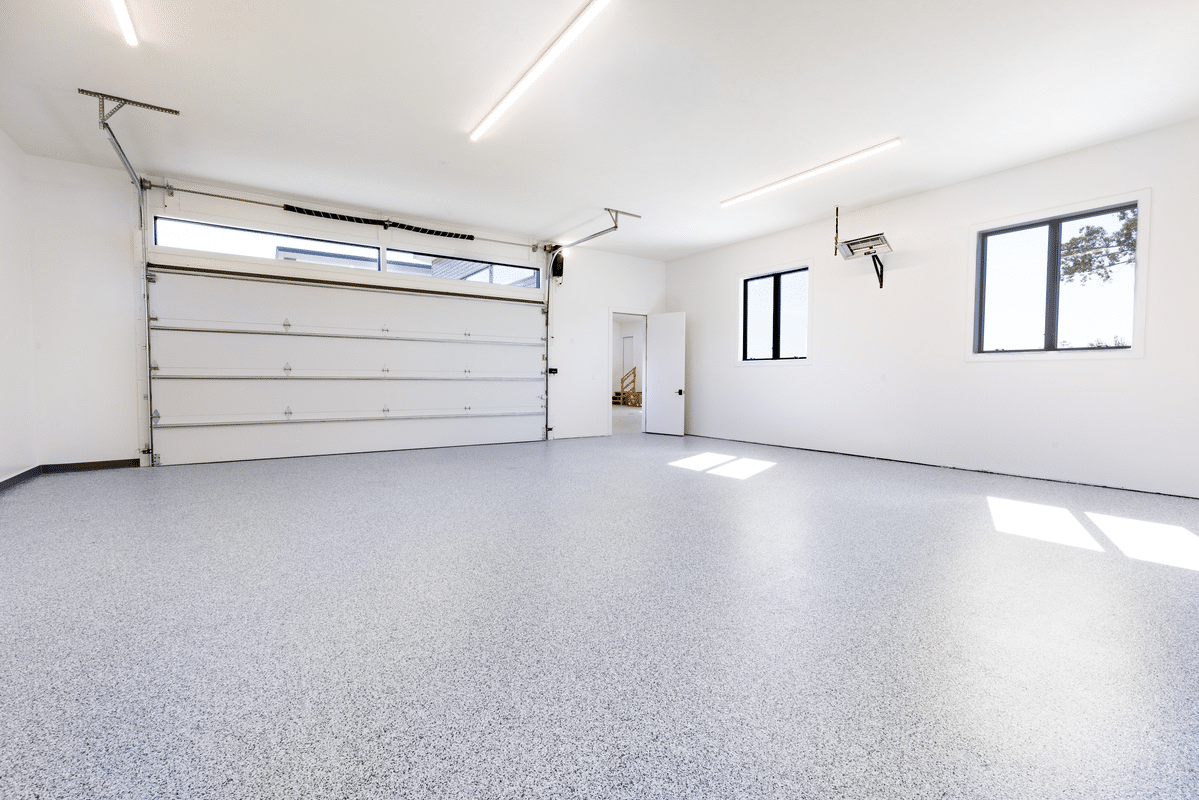
One of the biggest advantages of polyaspartic coatings during the summer is their UV resistance. Many garage floor coatings fade or discolor when exposed to sunlight, especially near garage doors where UV rays are strongest. Polyaspartic coatings are engineered to resist UV damage, helping your floor maintain its color and finish for years to come. This makes them an ideal solution for homeowners who want both durability and long-lasting visual appeal.
Summer is also one of the best seasons for garage floor coating installation because warmer temperatures create optimal curing conditions. Polyaspartic coatings cure quickly and efficiently, allowing homeowners to return to using their garage in as little as one day. This fast installation process minimizes disruption while delivering a floor that is durable, easy to clean, and built for everyday life.
Beyond protection, a polyaspartic floor coating completely transforms the look and functionality of a garage. It creates a clean, polished appearance while making maintenance significantly easier. Dust, dirt, and spills can be wiped away quickly without soaking into the surface. Combined with custom storage solutions, a coated garage floor can help turn an underused garage into an organized extension of the home.
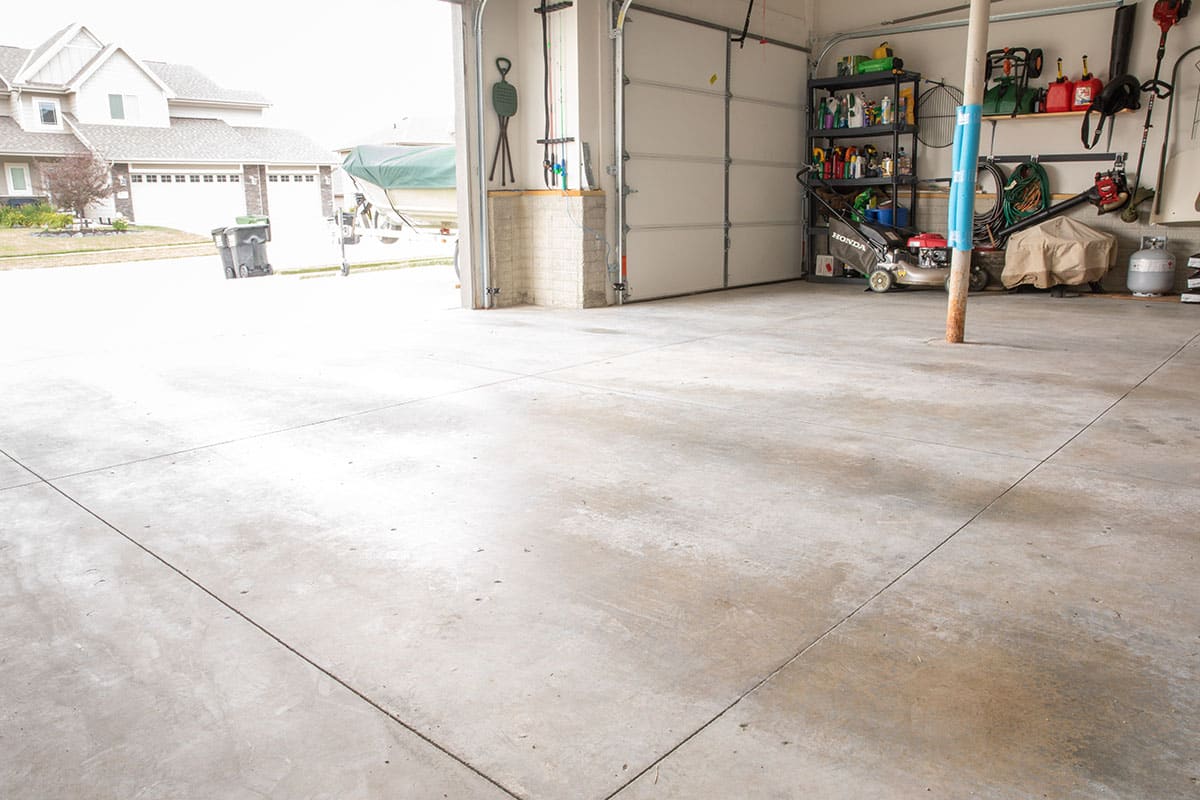
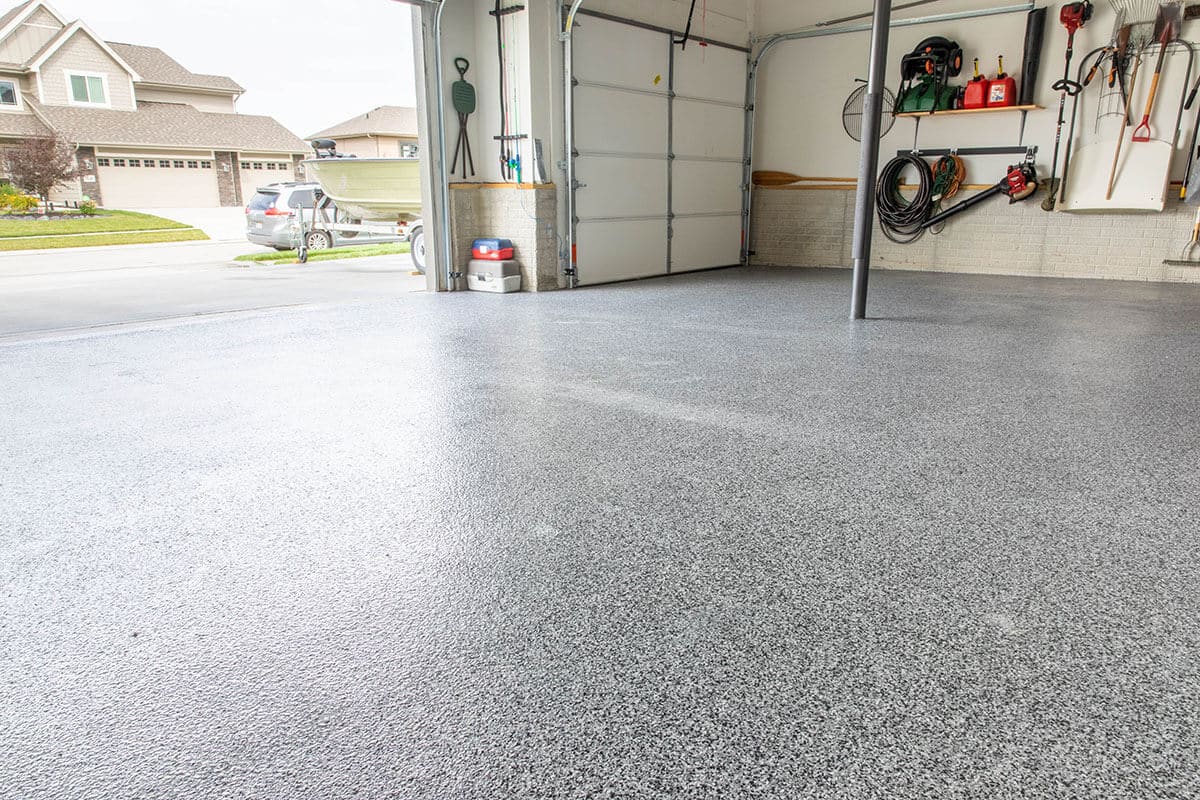
If your garage floor is currently bare concrete, summer heat will only continue to expose its weaknesses. Investing in a polyaspartic floor coating now helps protect your concrete before cracks, stains, and surface damage become larger and more expensive problems. With long-lasting durability, heat resistance, and a sleek finish, a polyaspartic coating is one of the smartest upgrades homeowners can make for their garage.