Roller putting on a garage floor coating

Polyaspartic vs. Epoxy: Which is the best garage floor coating?

Epoxy Garage Floor Alternative

Garage floors take a beating. Between hot tires, road salt, oil drips, and everyday wear, even an epoxy garage floor can start to show its limits over time.

That’s why many homeowners looking for an epoxy garage floor coating start searching for longer-lasting alternatives that won’t peel, flake, or yellow.

At Hello Garage, we install a polyaspartic garage floor coating system designed as an epoxy floor alternative—built to handle real-life use in garages, basements, and other concrete spaces.

Unlike traditional epoxy flooring, our system is engineered to bond deeper into the concrete and deliver a finish that holds up to heavy traffic, moisture, and temperature swings.

Why Homeowners Are Moving Away from Epoxy Floors

Epoxy has been a popular garage flooring option for years. It creates a hard, glossy surface and can dramatically improve the look of a concrete floor.

But many homeowners researching epoxy garage floor coatings eventually run into common issues like:

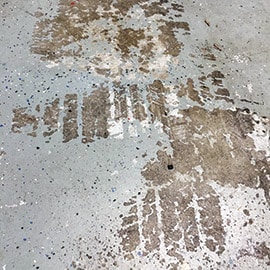
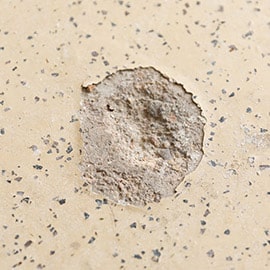
  • Peeling or flaking under hot tires
  • Yellowing from sunlight exposure
  • Long cure times before full use
  • Moisture-related adhesion problems
  • Surface cracking over time

These are some of the reasons epoxy flooring often gets replaced or upgraded.

That’s where newer systems like polyaspartic coatings come in.
What Are the Best Alternatives to Epoxy Garage Floors?

There are several epoxy alternatives available in the market today. Each has pros and cons depending on your goals, budget, and environment.

Polyaspartic coatings are widely considered the best overall alternative to epoxy.

Pros:

  • Extremely durable and flexible
  • UV-stable (won’t yellow or fade)
  • One-day installation
  • Resistant to moisture and temperature changes
  • Long lifespan

Cons:

  • Higher upfront cost than epoxy
  • Requires professional installation for best results

Best for: Homeowners who want a long-term, low-maintenance solution.

2. Polyurea Coatings

Polyurea is similar to polyaspartic but cures even faster.

Pros:

  • Flexible
  • Fast curing time

Cons:

  • Very fast curing makes it harder to install correctly
  • Often used as a base coat rather than a full system

Best for: Industrial or professional-grade systems when installed by experts.

Interlocking tiles provide a completely different approach.

Pros:

  • DIY-friendly installation
  • No curing time
  • Replaceable sections

Cons:

  • Can trap moisture underneath
  • Less seamless appearance
  • May shift or separate over time

Best for: Temporary or DIY solutions.

These enhance the look of concrete without adding a thick coating layer.

Pros:

  • Lower cost
  • Decorative finish
  • Simple application

Cons:

  • Minimal protection
  • Requires frequent reapplication

Best for: Aesthetic upgrades rather than durability.

Why Polyaspartic Floor Coatings Are Better Than Garage Floor Epoxy Coatings

Our team installs polyaspartic floor coatings as an alternative to epoxy garage floors. Ultimately, our decision to move beyond traditional epoxy flooring reflects our commitment to providing high-quality, reliable garage flooring that delivers exceptional value and performance.

Here are a few reasons to upgrade your garage floor and invest in your peace of mind with a polyaspartic floor coating.

We apply the polyaspartic floor coating material as a fluid. Its water-like flow lets it find every crack, crevice and pore of the concrete beneath. Beyond adhering to the concrete, it creates a strong bond, becoming one with your garage floor.

Due to this impressive bonding ability, polyaspartic floor coatings are not susceptible to hot-tire pickup. You can park in the same place over and over, even in the hottest climates.

The polyaspartic flooring material Hello Garage uses is 100% UV-resistant. It won’t yellow or fade like epoxy floor coatings do over time.

It only takes 24 hours for our polyaspartic concrete coating to cure. That means no waiting a week to use your garage, laundry room or patio. It’ll likely be ready the very next day!

When garage epoxy flooring fails in laboratory testing, it’s because it peels away from the concrete surface below. But when polyaspartic floor coating finally fails in lab testing, the surface layer of concrete peels away. The polyaspartic floor coating never breaks down — the underlying concrete does. It’s that strong of a bond.

When chemists first developed polyaspartic floor coating technology, its first commercial use was spray-in truck bed liners. Think of how tough a truck bed is! Plus, truck beds are steel, which doesn’t have open pores like concrete. So, if polyaspartic coatings can stick to that, you know it will bond with your concrete floor.

Hello Garage 100% Polyaspartic vs. Other Floor Coating Options

Epoxy Polyurea Polyaspartic
Bonds strongly to concrete to avoid peeling and flaking over time X
UV resistant, so it won’t yellow or break down over time X X
Greater flexibility to prevent cracking X
Appropriate hardness for optimum impact, abrasion and crack resistance X
Resistant to hot tire pickup X X
Resistance to chemical damage
Looks great for years to come X X
UV exposure to concrete coating in garage
Open garage flooring getting UV exposure | Hello Garage

Epoxy Floor Coatings and UV Exposure

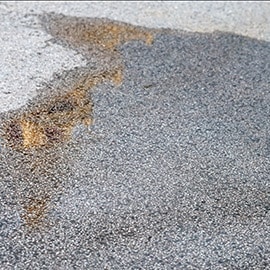
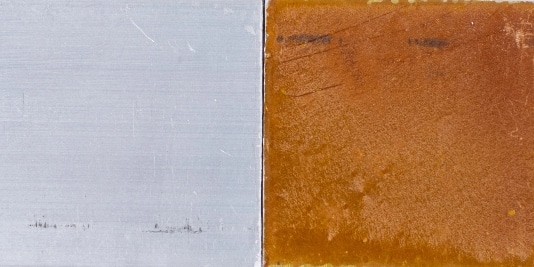
Just as the sun can harm your skin over time, the same happens with epoxy garage floor coatings. They don’t stand up to the UV rays of the sun and will yellow and fade over time.

Polyaspartic: The UV-Resistant Concrete Floor Coating

You might not think your garage gets much sunlight. However, if you’re one of the many people who leaves your garage door open while you do yard work, that exposure will add up over time, making your garage floor epoxy coating look dingy and worn-out. And if you’re coating an exterior space, forget it; epoxy is not the way to go. Only polyaspartic concrete flooring will give you the UV resistance you’re looking for.

Polyaspartic
Epoxy
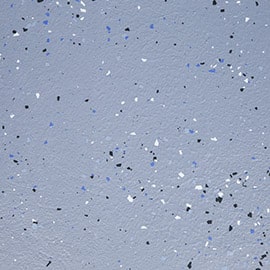
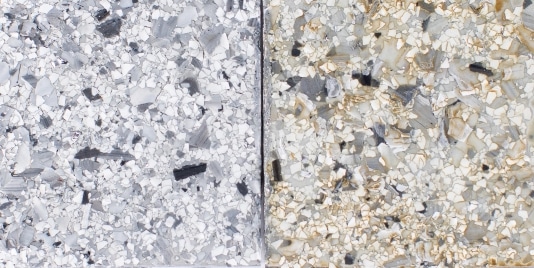
Clear coating on concrete floor

Clear Coat

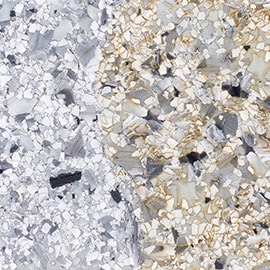
Clear pearl coating on concrete floor

Clear Coat on HG Pearl Flake

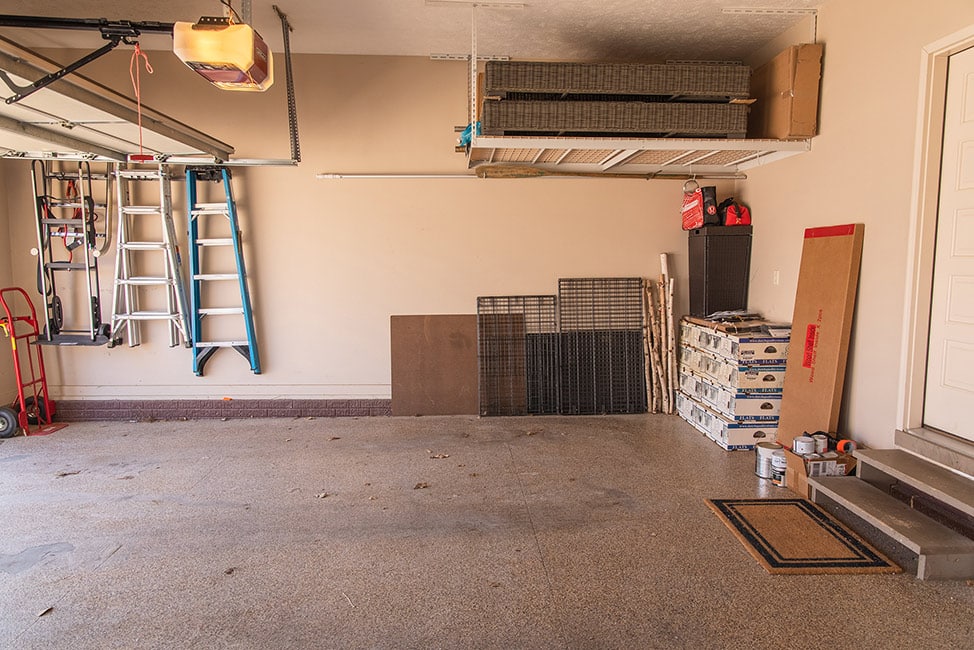
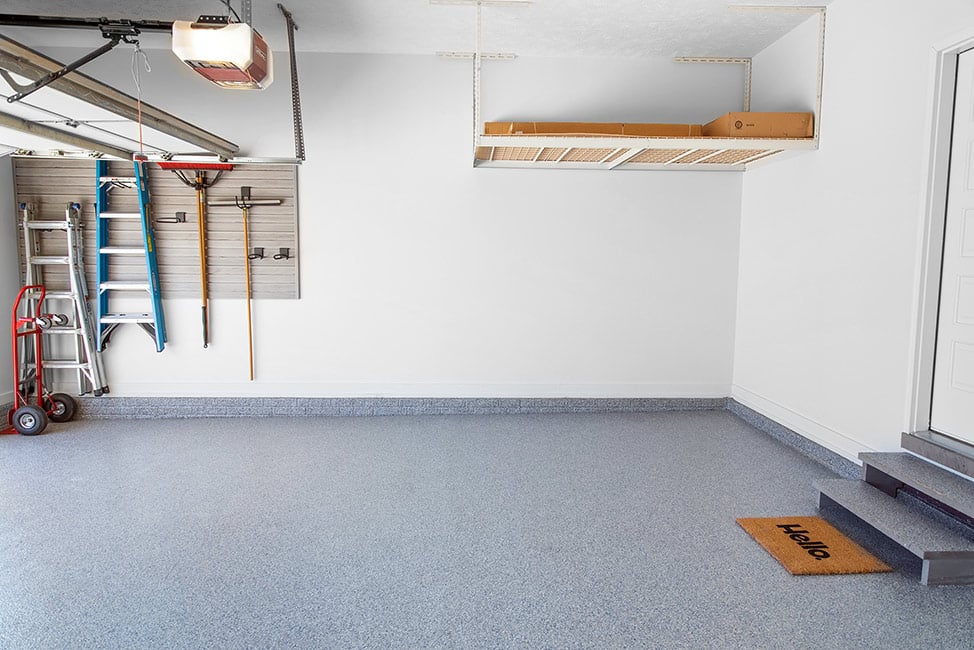
dirty garage flooring | Hello GarageAfter epoxy coating applies to garage concrete floor
Before & After Spotlight

Epoxy vs. Polyaspartic Garage Floor Coating

Don’t just take our word that polyaspartic is better than epoxy. Check out this real-world example from a customer’s garage!

Ready to upgrade your garage floor?

If you’ve been searching for:

  • epoxy garage floor coating
  • garage floor epoxy alternative
  • epoxy flooring for garages
  • garage floor coating near me

…you’re likely already comparing options.

We can help you understand the differences and design a garage floor that fits your space, your use, and your long-term expectations.

Schedule a free estimate to get started.

Frequently Asked Questions

Polyaspartic floor coating is visually appealing, cures faster than epoxy, is UV-resistant and robust enough to hold up against heavy traffic. Choosing polyaspartic flooring is an investment in sustainable quality.

Epoxy garage floors are not the best long-term option. They do not last as long and won’t maintain their appearance well, due to problems like cracking, yellowing and peeling.

Epoxy floors typically have a shorter lifespan compared to polyaspartic coatings. Epoxy flooring is prone to issues like UV damage and hot-tire pickup. In contrast, Hello Garage’s polyaspartic floor coatings are UV-resistant and bond securely to concrete, making them a superior alternative to epoxy garage floors.

DIY garage flooring is never the best option. Unfortunately for DIYers everywhere, approximately 80% of garage floor coating success comes down to surface preparation. We have specialized equipment like walk-behind grinders and industrial vacuums, plus the expertise to get your job done right the first time. We ensure your concrete is free of damage, cracks and abrasions that cause other methods to fail. We also test your concrete slab’s moisture level with a professional tool to ensure the polyaspartic material will adhere properly.

Polyaspartic flooring has been the material of choice in warehouses, factories and other industrial applications for more than four decades. Now, this alternative to epoxy flooring is available for residential garages. Only polyaspartic flooring technology offers granite-like looks and durability with a one-day installation.

Epoxy garage floors typically peel due to poor preparation and because of moisture issues as well as not properly bonding to the concrete.