
8 Reasons Garage Floor Paint Fails
Thinking of painting your garage floor? You’re not alone. Many people think that painting a garage’s concrete floor is a quick and affordable way to spruce it up and give it new life. After all, it’s just a few gallons of paint, a weekend’s work, and suddenly your garage feels brighter and cleaner… right?
But many homeowners quickly discover that garage floor paint doesn’t last, and what looks like an easy upgrade often turns into a cycle of peeling, staining, and frustration. So, before you commit to rolling on that first coat, here are the biggest reasons floor paint might not be the solution you’re hoping for.
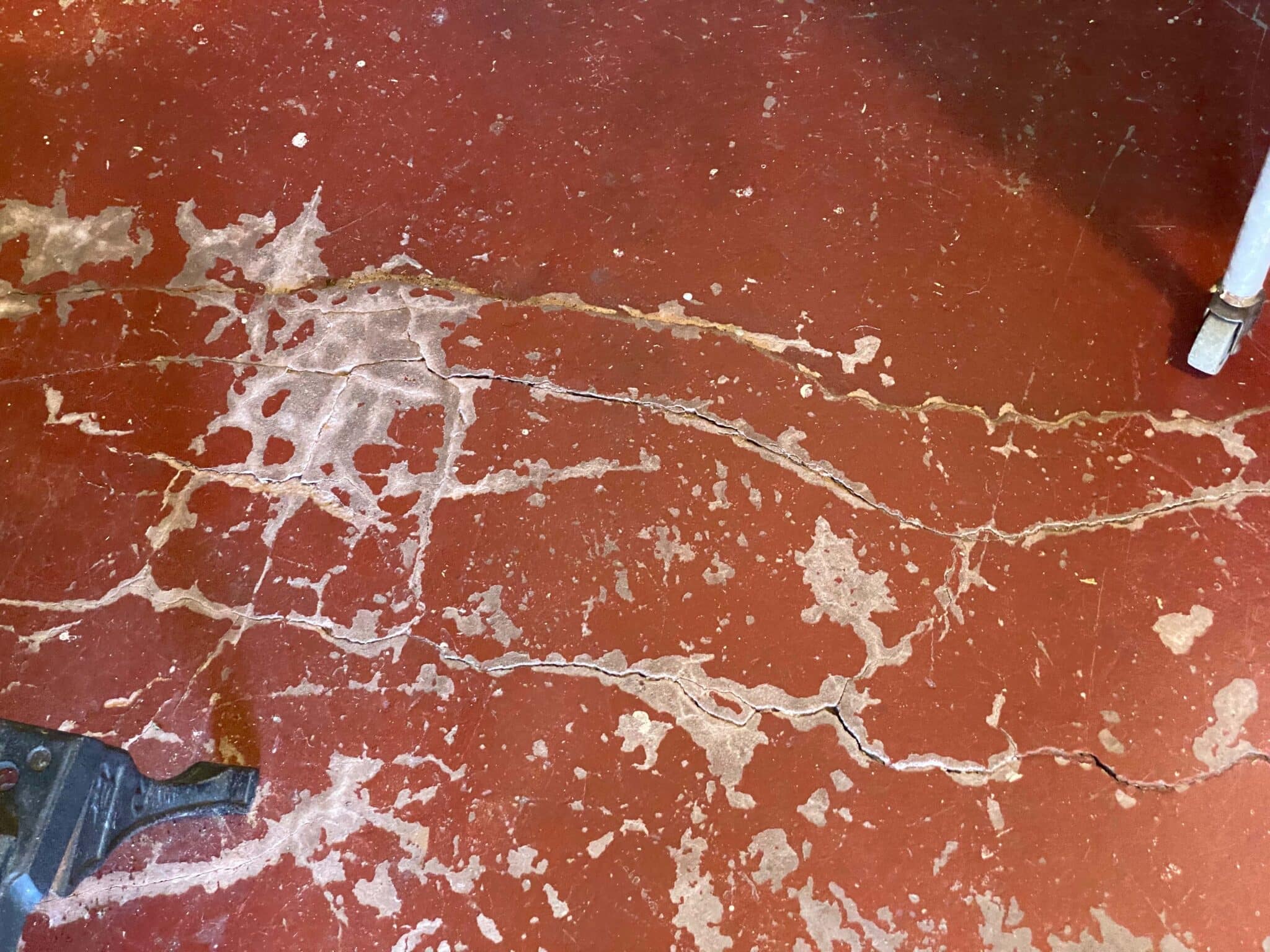
1. It Peels, Chips, and Flakes
The most common complaint about garage floor paint? It doesn’t hold up.
Garage floors take a beating. Between vehicle traffic, tool drops, dragging equipment, and temperature swings, painted concrete surfaces wear down fast. Because floor paint sits on top of the concrete rather than bonding with it, it’s prone to chipping, peeling, or flaking.
2. Moisture Causes Bubbling and Failure
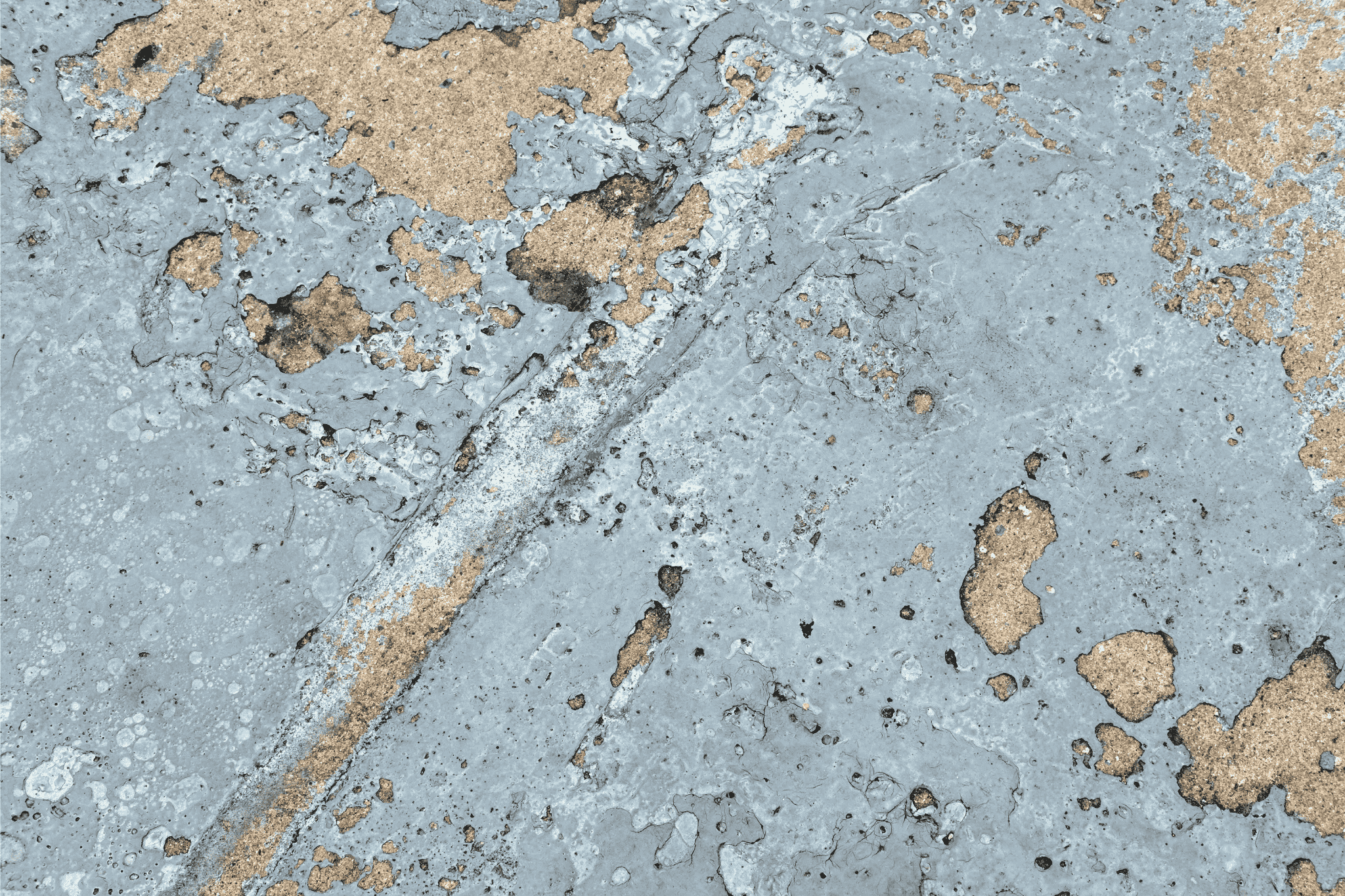
Concrete is porous, which means it absorbs and releases moisture from the ground below. When that vapor tries to escape upward, it can cause paint to bubble, blister, or separate from the surface.
3. You’ll Spend a Ton of $$$ Maintaining It
Floor paint may seem budget-friendly, but the low upfront cost can be misleading. Because it wears out quickly, it often requires frequent touch-ups or total reapplication.
That means more time, more labor, and more trips to the hardware store. Over the course of a few years, many homeowners spend more maintaining a painted floor than they would have spent on a long-term solution like a polyaspartic floor coating.
4. It Stains Easily
Garage floor paint does little to protect your concrete from stains. Common substances like motor oil, road salt, rust, antifreeze, and lawn chemicals can soak in, discolor the surface, or break down the paint entirely.
Because most garage paints aren’t chemically resistant, even a single spill can leave a permanent mark. And unlike more advanced coatings, painted floors rarely come with a built-in seal or topcoat to resist stains.
5. It Can Be Slippery When Wet
Painted concrete gets slick, especially when wet.
Whether it’s snowmelt off your car or spilled windshield washer fluid, moisture on a painted surface creates a safety hazard. Some DIYers try adding sand or grit to the paint to improve traction, but that often leads to uneven coverage or a rough, unattractive texture that wears down quickly.
Slip resistance isn’t just a bonus feature; it’s essential in a high-use space like the garage.
6. Paint Requires Perfect Prep… And Even Then, Might Fail
One of the biggest misconceptions about garage floor paint is that it's easy to apply. In reality, the long-term success of any floor coating depends heavily on proper surface prep.
Before painting, the concrete must be:
- Thoroughly cleaned and degreased
- Free of moisture
- Mechanically etched or ground to ensure adhesion
- Repaired for cracks or pits
- Protected from dust and debris during application
Even minor lapses, like painting over a damp spot or skipping the etch, can lead to early failure. And because most homeowners don't own industrial grinders or moisture meters, achieving the right prep level is often harder than expected.
7. It Offers Limited Aesthetics and Little Customization
Most garage floor paints come in a handful of colors—usually gray, tan, or beige—and offer a flat or semi-gloss finish. If you’re looking for a high-end, decorative look with blended flakes, metallic finishes, or custom patterns, paint won’t get you there.
8. It Just Doesn’t Last
In ideal conditions, a painted garage floor might last a couple of years. But in most real-world garages, where temperatures swing, cars park daily, and tools get dropped, painted floors start showing their age quickly. (And they don’t age gracefully.)
The Better Alternative
Many homeowners find themselves repainting every 12 to 18 months. That adds up in time, cost, and frustration.
A better alternative: a 100% polyaspartic floor coating from Hello Garage. If you’re looking for a long-term solution, professionally installed polyaspartic floor coatings offer unmatched durability, beauty, and peace of mind.
Unlike garage floor paints, polyaspartic coatings:
- Bond chemically to the concrete for better adhesion
- Resist peeling, chipping, and fading
- Repel stains from oil, salt, and chemicals
- Include a textured surface for traction
- Can be installed in just a day and walked on within hours
- Come in a variety of flake blends and finishes
At Hello Garage, we specialize in polyaspartic garage floor coatings installed to last decades. Our professional installation process ensures proper prep, flawless finish, and long-term performance. To get started, simply schedule a free consultation and say goodbye to peeling paint for good