
Why Epoxy Garage Floors Crack in Northern California (And What Homeowners Can Do About It)
If you’ve noticed cracks, peeling, or chipping in your epoxy garage floor, you’re not alone. Throughout Northern California, including Napa, Vacaville, Fairfield, and the surrounding communities, many homeowners eventually run into problems with epoxy floor coatings.
The good news? In many cases, the issue isn’t your concrete…it’s the coating itself.
Understanding why epoxy garage floors crack can help you make a better decision when it’s time to repair or replace your floor.
Is It the Concrete or the Epoxy?
Concrete naturally develops small cracks over time. Even a well-built garage slab can experience minor movement as the ground expands, contracts, and settles.
A quality floor coating should work with the concrete—not against it.
Traditional epoxy is very rigid once it cures. While that hardness can seem like a benefit, it also means the coating has less flexibility when the concrete underneath moves. As the slab shifts over time, stress can transfer to the coating, leading to cracks, chips, or peeling.
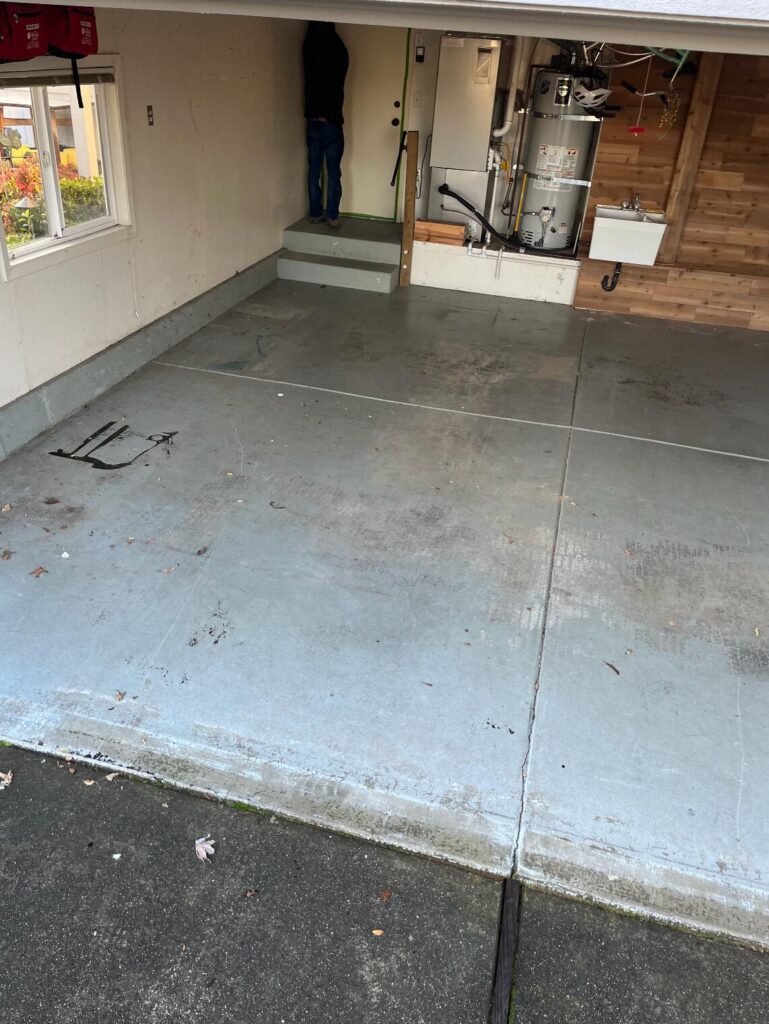
Why Northern California Is Tough on Garage Floors
Not All Garage Floor Cracks Mean the Same Thing
It’s important to know that cracks in the concrete and cracks in the coating are two different issues.
Hairline cracks in concrete are common and often expected.
However, when the coating itself begins cracking, flaking, or separating from the surface, it’s usually a sign that the coating is no longer performing as intended.
Even the highest-quality coating won’t last if the concrete isn’t properly prepared.
Before any coating is applied, the concrete should be professionally diamond ground to create the right surface profile. Existing cracks should be repaired, damaged areas addressed, and the slab thoroughly cleaned before installation begins.
Skipping or rushing these steps can reduce adhesion and increase the likelihood of future coating failure.
Can a Cracked Epoxy Floor Be Repaired?
Sometimes.
Small isolated areas may be repairable, but if the coating is cracking or peeling throughout the garage, a complete removal and replacement is often the best long-term solution.
A professional inspection can help determine whether the issue is limited to the coating or if the concrete itself needs attention before a new system is installed.
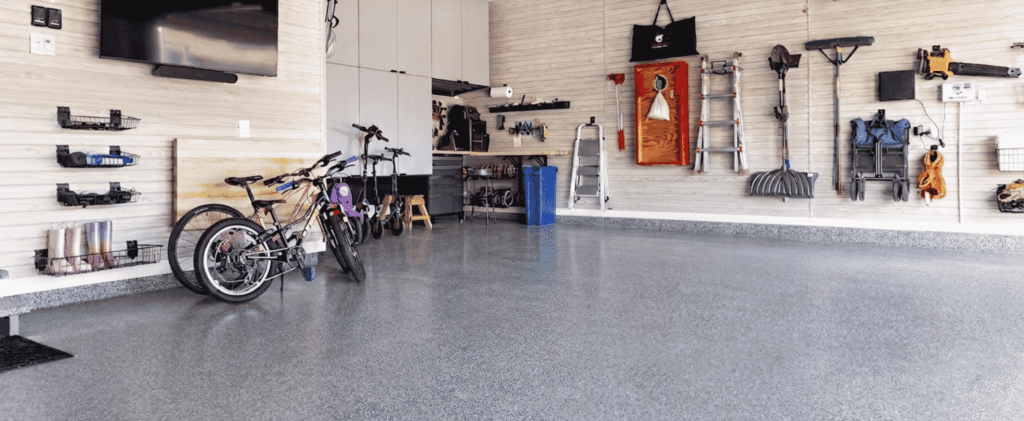
Why Many Homeowners Upgrade to Polyaspartic
If you’re replacing an old epoxy floor, you may want to consider a polyaspartic coating instead.
Unlike many traditional epoxy systems, premium polyaspartic floor systems are designed to deliver:
- Excellent resistance to UV exposure without yellowing
- Greater durability against everyday wear
- Faster installation and cure times
- Outstanding resistance to chemicals, stains, and hot tire pickup
- A long-lasting, attractive finish that’s easy to maintain
At Hello Garage of Napa Valley, we install a 100% polyaspartic base coat and top coat, creating a complete floor coating system designed for long-term performance—not just a polyaspartic topcoat over epoxy.